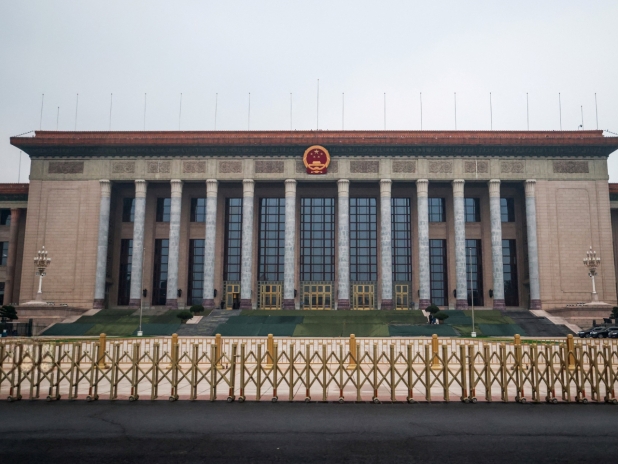
The National People's Congress (NPC) is currently deliberating on a draft law to combat cross-border corruption, aiming to establish a fair and equitable global anti-corruption governance system. This draft, which includes a provision for such a system, was submitted for its second reading at an NPC Standing Committee session that concludes on Friday. The draft law, structured into six chapters and 47 articles, further details the legislative purpose and provides guiding principles for anti-corruption efforts. It emphasizes that such efforts must adhere to constitutional and legal stipulations, follow proper procedures, and respect and protect human rights. The law highlights the importance of information technology in fighting cross-border corruption and mandates confidentiality for sensitive information obtained by authorities. Furthermore, it requires companies operating internationally to establish integrity and compliance departments or appoint dedicated staff, tailored to their specific size, business scope, and risk management needs. (Xinhua) The proposed legislation represents a significant step for China in developing a comprehensive foreign-related legal framework against corruption, following the draft's initial submission in late August. Structuring the law to reflect these principles and provisions is crucial for enhancing international anti-corruption cooperation and maintaining a high standard of governance in global business environments.
The drafting of this law reflects an ongoing trend in China's approach to international governance and global anti-corruption initiatives. As China plays an increasingly major role in global affairs, the implementation of a robust legal framework to combat cross-border corruption will not only strengthen domestic policies but also contribute to broader international efforts. By emphasizing confidentiality, adherence to constitutional laws, and the integration of technological solutions, the draft law is designed to address the complexities of cross-border crimes effectively. However, the enforcement and effectiveness of these regulations remain to be seen, as they will depend on stringent implementation and cooperation between various governmental bodies and international organizations. (Xinhua)