In the first nine months of this year, telecommunications fraud cases in Hong Kong have reached nearly 10,000, with total losses exceeding HKD 1.94 billion, according to police data. In particular, 9,999 cases of phone scams alone were recorded, with a staggering monetary loss of approximately HKD 1.94 billion. The highest single month, August, saw over 2,000 cases of telecommunications fraud, setting a new record.
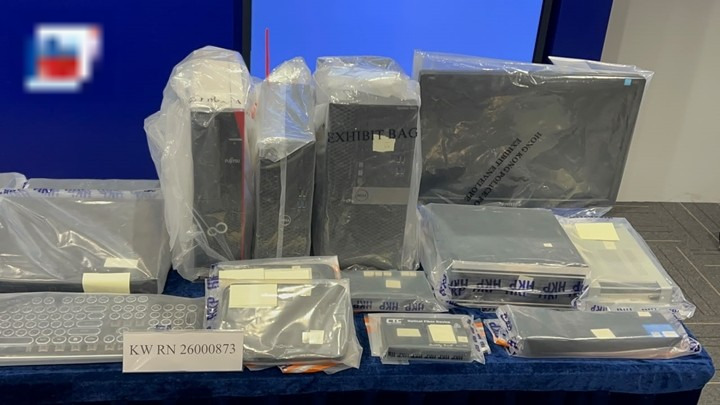
A concerted effort by the Commercial Crime Investigation Branch (CCIB) of the Police Force in early October targeted both phone scams and associated money laundering activities. As a result, 108 fraud cases were solved, involving about HKD 68 million, with 123 people arrested. Inspector Ko Ching Yi of the CCIB explained that up to 50% of the reported crimes in the first nine months of this year were scams, with phone scams accounting for nearly one-third (28.8%). Within these, 'mock service personnel' scams are the most common, comprising about 60% of all telecom fraud cases. Scammers often impersonate well-known retailers, e-commerce platforms, or logistics companies, falsely indicating that there are issues with a customer's recent purchases, and then suggest 'compensation' by asking to verify the individual's identity and transfer funds to a specific account.
Given the risks associated with data breaches, the Police Force has collaborated with the Office of the Privacy Commissioner for Personal Data for a thorough investigation. Scammers frequently use telephones with '2' or '3' prefixes, both for calls and in SMS lures, posing as customer service operators. The police discovered that these telephone numbers are often not traditional landlines but Internet-based phones registered under individual names or even under shell companies, increasing the likelihood that recipients would trust the calls. Inspector Ko further noted that while there are restrictions on the number of pay-as-you-go SIM cards an individual can purchase, there are no uniform upper limits for business customers who wish to register numbers on a monthly fee basis. This means fraudsters could potentially secure numerous phone numbers under a single business name, establishing fraud call centers and reaching a large number of citizens in a short time frame. Thus, the operation and maintenance costs are significantly reduced, yet the efficacy and reach are maximized. Inspector Ko thus appealed to telecom companies to enhance customer screening, number allocation, and anomaly monitoring to prevent the misuse of services and stop fraudsters from using such numbers.