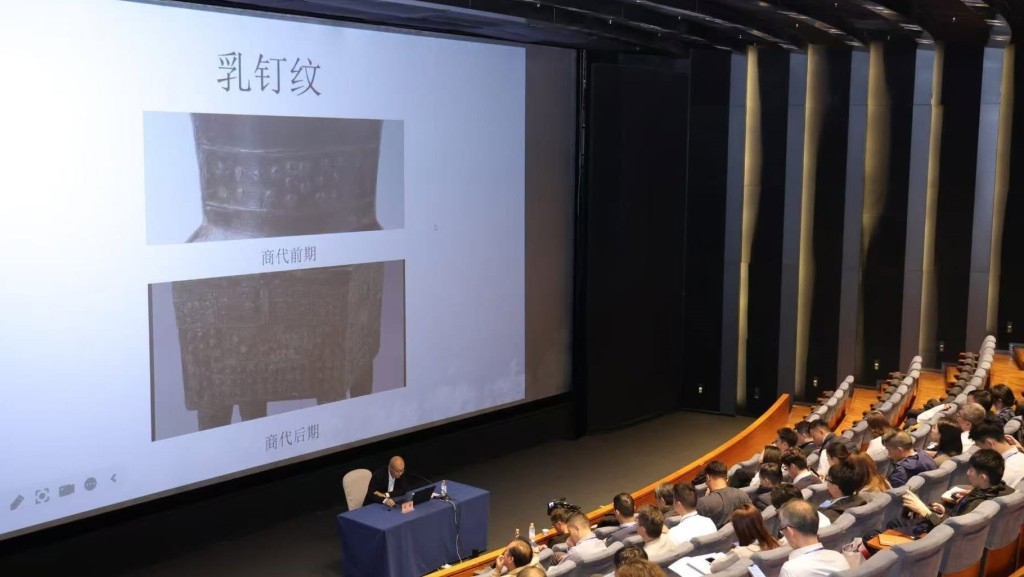
A seminar on combating the illegal trafficking of cultural relics, organized by the State Administration of Cultural Heritage and the Hong Kong Customs, concluded on October 29 in Beijing. Twenty Hong Kong customs officers successfully completed the third such training session. Assistant Director (Intelligence and Investigation) Huang Haoran of the Hong Kong Customs pointed out at the closing ceremony that the methods and patterns of cultural relic smuggling are continuously evolving, requiring trainees to constantly enhance their professional skills and remain vigilant to strictly control and prevent such activities. Huang also expressed hope that the third class of participants will diligently apply what they have learned in the protection of cultural relics and in fighting against smuggling, working together to safeguard the nation's precious historical and cultural heritage. The seminar was highly substantive, including various courses on combating the smuggling of cultural relics, relevant laws and enforcement strategies. Participants had the unique opportunity to identify cultural relics firsthand. Outside of class, they also visited the National Museum and the Palace Museum, with each participant benefiting greatly from the experience.
The ongoing efforts to combat the trafficking of cultural treasures in Asia highlight the increasing sophistication in smuggling methods. This collaboration aims to equip customs officers with the knowledge and skills needed to protect cultural heritage, a task that has become increasingly difficult due to the evolving nature of smuggling activities. By enhancing their expertise, the trainees are better prepared to safeguard the vast and diverse historical artefacts that are a crucial part of Asia's cultural identity.
Historically, Hong Kong has played a significant role in international trade and has encountered a fair share of cultural heritage challenges. This training is particularly timely as global efforts to combat the illegal trafficking of cultural artifacts gain momentum. By fortifying the skills of customs officers, this initiative strengthens the frontlines in preserving the world's cultural treasures. As the methods of smuggling continue to innovate, the commitment to training and education is key in ensuring the preservation of historical and cultural legacies for future generations.