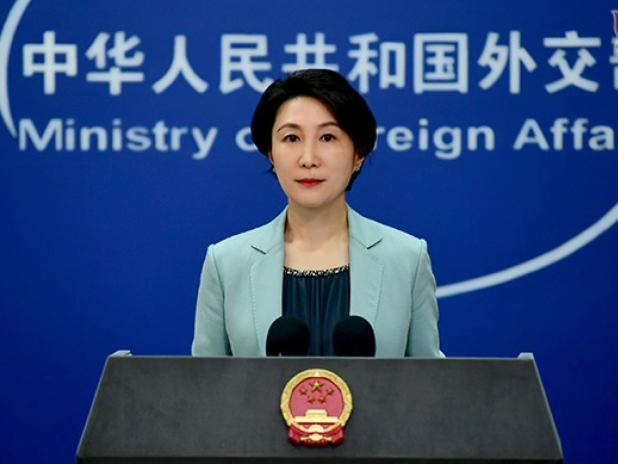
The Chinese Foreign Ministry stated that China is willing to continue its cooperation with the United States following the midterm elections, during which President Trump's Republicans lost control of both chambers of Congress. A Foreign Ministry spokesperson, Mao Ning, emphasized that the midterm elections were an internal affair of the United States and highlighted China's willingness to maintain and implement important consensus reached between the two countries' leaders, aiming to deepen communication, manage differences, and expand cooperation. In contrast, French Finance Minister Roland Lescure observed that despite the Republican party's losses, Trump retains significant influence over foreign policy. Lescure suggested that either Trump acknowledges the need for change, particularly in gasoline prices, and moderates his international involvement, or the international community will need to closely monitor his actions in the coming days.
Lescure noted that Trump's unpredictable nature poses challenges for international relations, especially regarding domestic economic issues. Noting the direct impact of gasoline prices on the populace, Lescure opined that Trump needs to rise above political division to address these concerns effectively. This observation underscores the complex relationship between domestic policy changes and international diplomacy in the post-midterm landscape.