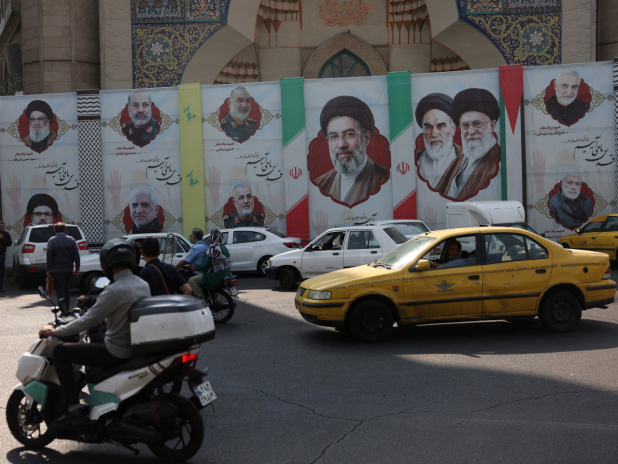
Iran's supreme leader, Mojtaba Khamenei, has condemned the upcoming Middle Eastern war if the United States resumes its attacks, contending that the recent US midterm elections, which significantly weakened Republican control, represent a rejection of war policies. Mr. Khamenei’s statement, sent through a written message, emphasizes that any attempts to shift US behavior via political changes, or to appease the United States with concessions, are futile. Khamenei also warned that if the U.S. decides on further military action, the conflict's scope will expand. Iran's chief negotiator, Mohammad Bagher Ghalibaf, aligned with the sentiment, stating that Americans had voted against war in the midterm elections, while the country's judiciary chief, Gholamhossein Mohseni Ejei, declared that Trump had been defeated both militarily and politically. Meanwhile, the popular U.S. president's stance on the war has faced public discontent, particularly with rising costs and energy prices linked to the conflict. Trump acknowledged the war’s potential impact on the election results, stating, “I think a part of it was Iran, but at the same time, people understood the importance of what I've done.”
The tension between the U.S. and Iran intensified as the U.S. conducted strikes on Qeshm Island in the Strait of Hormuz just before the election, though Trump dismissed it as a "minor attack." This move underlines the increasingly challenging landscape for any diplomatic or military actions from the U.S. as the current political climate is decidedly against war. The moderation in American policy post-election suggests a greater emphasis on international collaboration and pressure for restraint, especially in light of the global economic and geopolitical implications of a continued conflict.