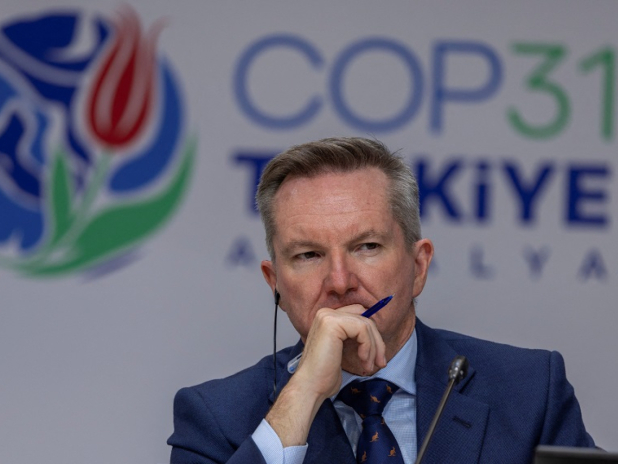
The lead negotiators at COP31 in Türkiye released a revised draft agreement on Thursday that omits any mention of fossil fuels, a move that has elicited strong opposition from climate activists. The nearly 200 nations participating in the climate talks have until Friday to agree on a final text, although the negotiations often extend beyond the official deadline. The draft's removal of language aimed at phasing out fossil fuels and the complete elimination of mentions of coal, oil, and gas from the document have alarmed environmental groups who fear it will impede the transition to renewable energy. This draft comes during a period of heightened climate crisis, with extreme weather events and an unprecedented El Niño event exacerbating environmental impacts around the globe. The earlier draft of the pact, which included positions on contentious issues such as energy, finance, and trade, faced criticism for its length and complexity. After extensive consultations, Australia published a shorter text with new proposals aimed at contentious issues, though little immediate comment was shared by government ministers on the latest development. Critics charge that erasing explicit references to phasing out fossil fuels in the draft is a major step backward. Harjeet Singh from the Fill the Fund campaign warned that while the text might not explicitly state, "We cannot solve a fossil fuel crisis by pretending we don't need to phase out fossil fuels." This new text, according to some, represents a significant retreat from previous agreements.
The latest draft emphasizes the benefits of electrifying the global economy, calling for a 35 percent share of final energy demand to be met by electricity by 2035. However, concerns remain that this passage does not guarantee that renewable sources will power this increased electricity use, which is a primary source of debate. Some countries have also rejected proposals to intensify carbon capture, utilization, and storage technology, seeing it as an unconventional approach that distracts from reducing pollution. The draft's calls for doubling financial support to climate adaptation measures also disappoint developing nations, who were seeking a $120 billion goal. The document expresses deep concern over the risk of breaching the 1.5C temperature goal set by the Paris accord and reaffirms the crucial role of the IPCC in providing expert guidance on global warming.