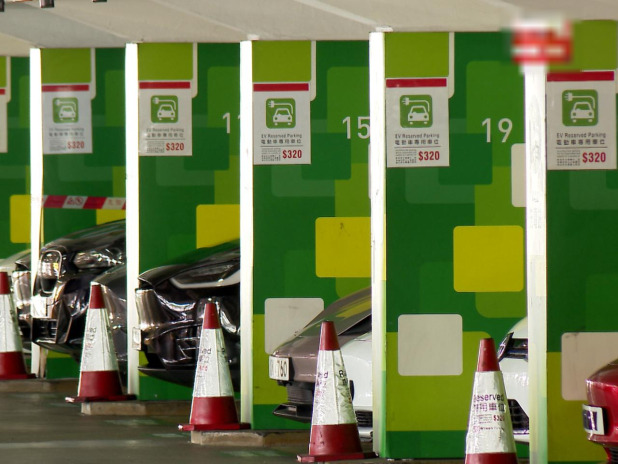
The Hong Kong government has proposed a new producer responsibility scheme to provide a one-off free battery recycling service for electric vehicle (EV) owners. Under this scheme, car manufacturers will pay an upfront levy to the Environmental Protection Department before distributing new vehicles or batteries. This move aims to prevent the improper disposal of EV batteries and enhance recycling efforts. According to the government, there are currently around 180,000 EVs on the roads, and retired batteries are forecast to reach around 6,700 tonnes by 2030, compared to about 1,300 tonnes in the current year. EV batteries generally last five to ten years, leading to a period between market entry and eventual disposal where the original battery suppliers might no longer be active or traceable. To address this, the government intends to impose a levy at the market entry stage to secure stable and sufficient funds for the recycling of retired batteries in the future. To facilitate a smooth transition, the proposed levy would start at a low rate of HK$6 per kilogramme and increase steadily each year. For a typical EV with a 500-kilogramme battery, the initial charge in 2028 would be approximately HK$3,000, growing to HK$15,000 by 2043. EV owners must take their batteries to a designated return point or hand them over through a designated workshop or scrapyard to complete the recycling process. Legislation is expected to be submitted in 2027, with full implementation projected for 2029. The levy would not apply to EVs already on the roads, but these owners would still receive the free recycling and scrapping service.
The scheme is designed to incentivize responsible disposal and recycling of EV batteries by focusing on the initial market introduction of vehicles. By mandating upfront payments, the government aims to address the issue of traceability and financial support for recycling processes several years later when batteries reach the end of their service life. This approach is part of the broader strategy to manage the rapid growth in EV adoption in Hong Kong, which is expected to significantly increase battery waste. The proposal seeks to create a sustainable framework for managing this waste, ensuring that recycling becomes the norm rather than an afterthought for the automotive industry.
Environmental advocates have cautiously welcomed the initiative, noting that proper disposal and recycling of EV batteries are critical for minimizing environmental impact. However, they emphasize the need for strict enforcement and transparency in the implementation process to avoid any potential loopholes or delays. The proposed levy rate and increment schedule have also raised questions about the economic burden on EV owners. Industry analysts suggest that while the initial costs may seem manageable, the accumulative impact over time could become significant. The government's aim to address these concerns through gradual implementation may help ease concerns but will also require careful monitoring and adjustment as the market evolves. Overall, the scheme is a significant step towards more responsible management of EV batteries, reflecting the growing awareness of the challenges posed by the burgeoning battery waste issue in Hong Kong.