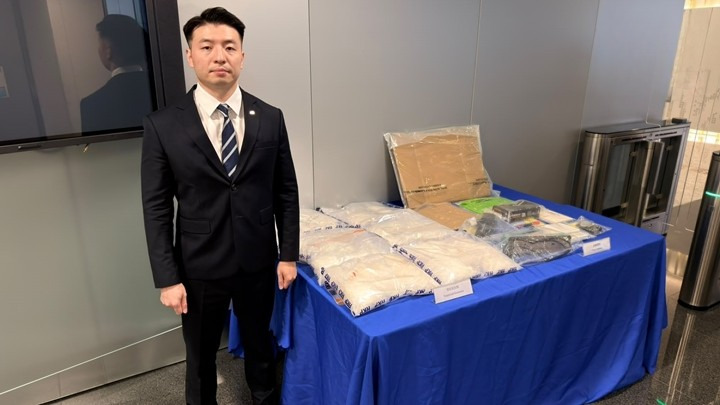
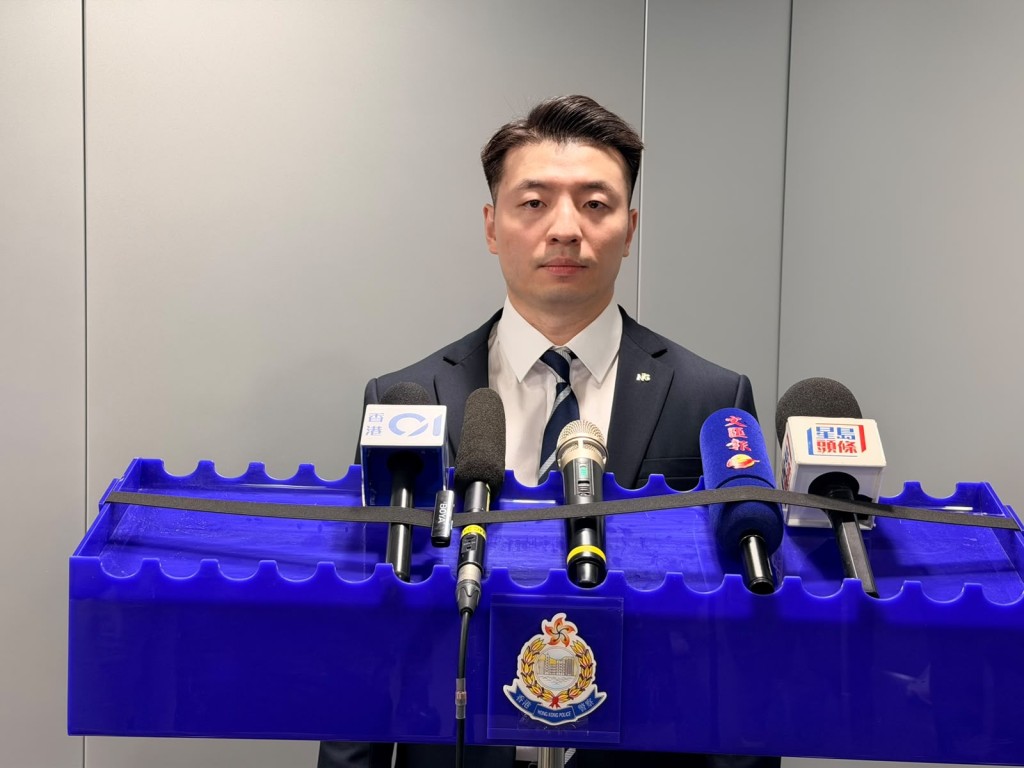
Police in Hong Kong have dismantled a drug storage facility located in a transit house unit at Lamma Floating Harbor, arresting a 31-year-old local unemployed man and seizing approximately 20 kilograms of ketamine, valued at about HK$8 million. A senior inspector, Zhu Junye of the Narcotics Investigation Bureau, led a press conference this morning (8th) to detail the case. On the previous day (7th), officers conducted a drug crackdown in Lamma Floating Harbor and conducted a surprise search at a transit house unit on Shunde Road. Inside, they found 49 packages totaling about 20 kilograms of ketamine and various drug packaging tools. The man, surnamed Liu, was detained on the spot. It was found that only the detained person lived in the one-to-two person transit house unit. According to investigators, the suspect is unemployed and there is no indication that he has any triad connections. The police believe he committed the crime for financial gain, using the rented unit as a drug storage facility. The arrested man is currently being charged with "conveying dangerous drugs" and his case will be heard at the Tuen Mun Magistrates' Court the following day (9th). Zhu Junye stated that transit houses are precious public housing resources provided primarily to people on the waiting list for public housing or living in unsuitable accommodation, to provide short-term housing solutions to ease the living burden. However, criminal gangs are misusing these resources for drug trafficking activities, which not only violates the law but also harms the interests of those with genuine urgent housing needs. The Narcotics Investigation Bureau will continue to combat all drug activities using intelligence-led methods.
Inspector Zhu Junye presented the case during the press conference. The seized ketamine is now undergoing detailed analysis to determine its purity and potential impact, as well as to trace any possible sources or distributors. This operation marks another significant raid by the authorities targeting drug trafficking networks in residential areas, emphasizing the ongoing efforts to combat illegal activities in government-subsidized housing. The case highlights the pressing need for stricter regulations and intensified surveillance in transit house units to address potential misuse and ensure genuine housing needs are met.
The incident has garnered significant attention from local residents and community members, who fear the potential for such criminal activities to spread. Authority figures indicated that more regular inspections and better cooperation between housing and law enforcement agencies could help reduce such incidents in the future. The public is encouraged to remain vigilant and report any suspicious activities to the police. The community is also urged to support initiatives aimed at providing appropriate and affordable housing options to those in need, thereby addressing the root causes of such issues.