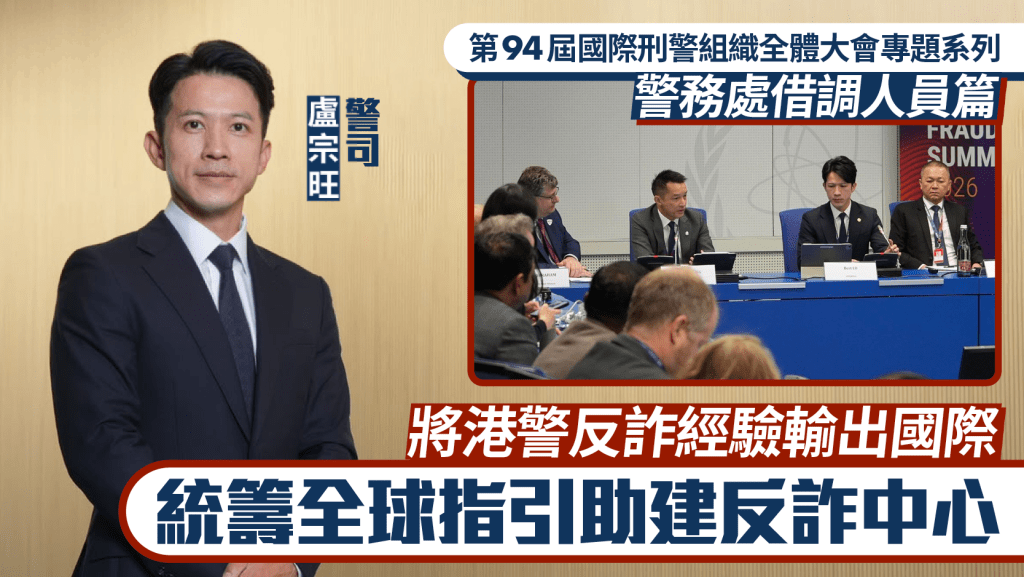
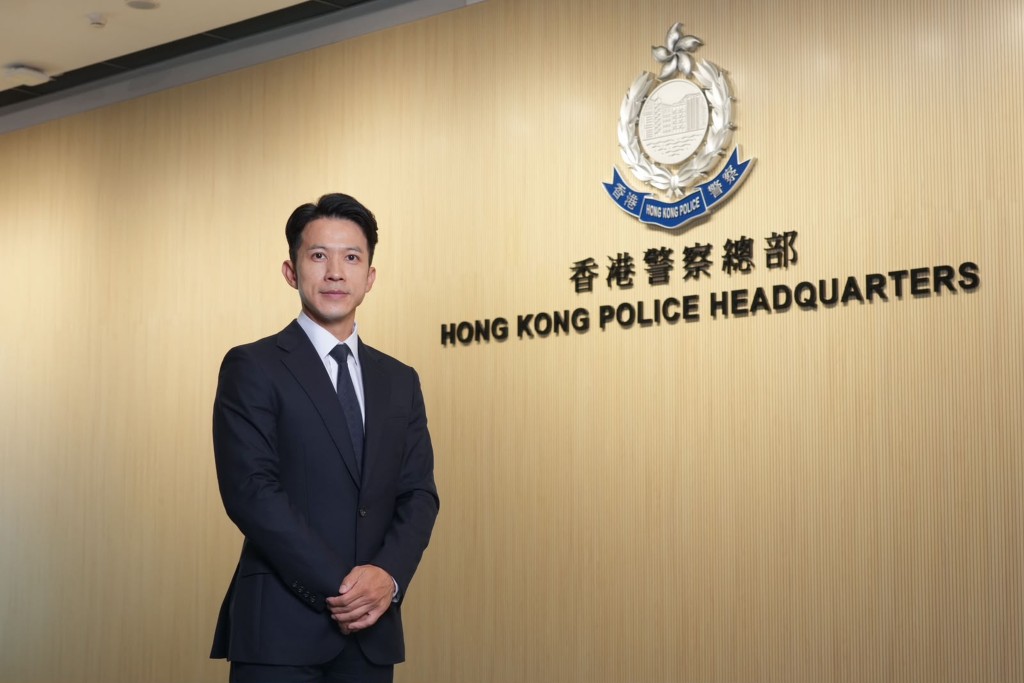
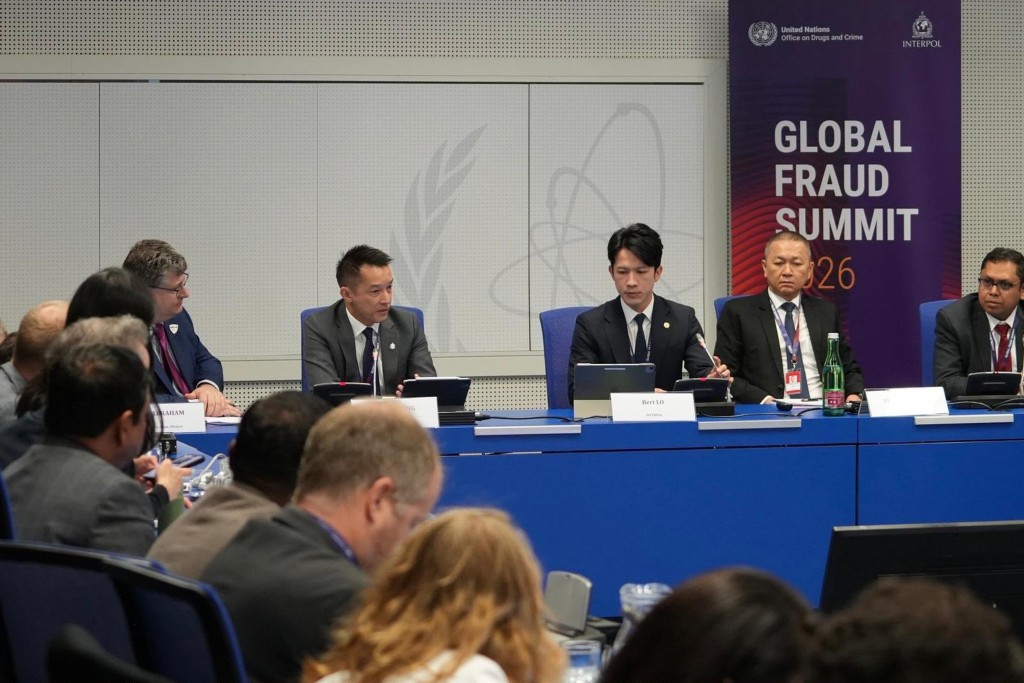
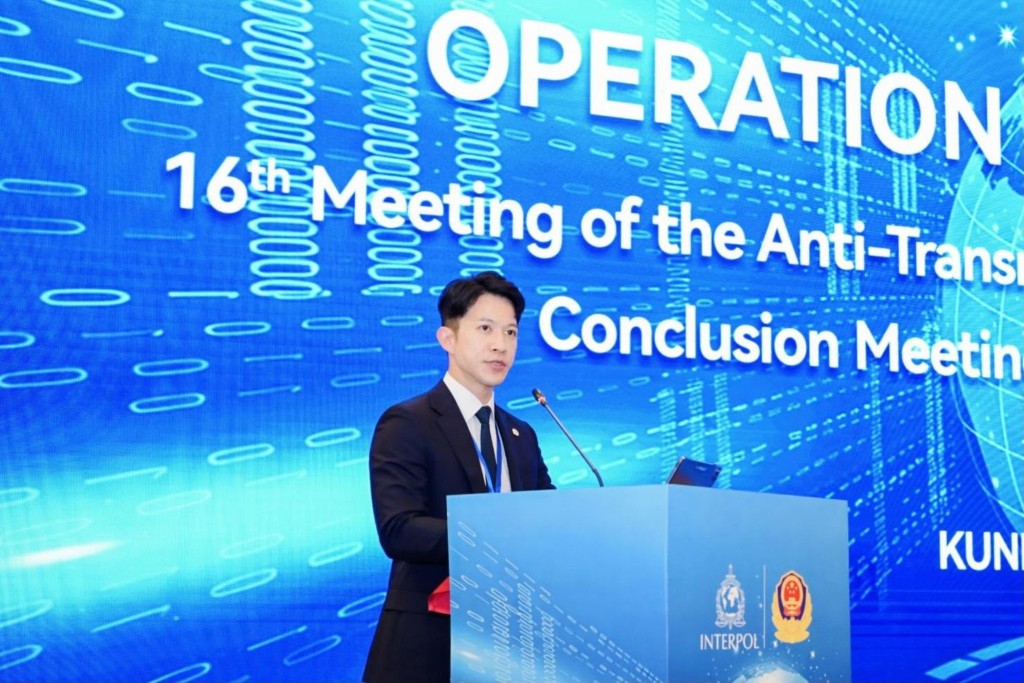
The 94th International Criminal Police Organization (INTERPOL) General Assembly will convene in Hong Kong from November 30 to December 3 for the first time. The Hong Kong Police have been actively dispatching officers to INTERPOL to broaden their international perspectives and enhance the positive influence of police forces in Hong Kong within the organization. Currently, three officers are on loan to INTERPOL, stationed in France and Singapore. Superintendent Lu Zongwang was transferred to Lyon, France, last September to work at the INTERPOL Secretariat, focusing on coordinating anti-fraud and financial crime investigations. He aims to provide professional advice for combating cross-border fraud and share Hong Kong’s anti-fraud experience with the international community. "Hong Kong police's advanced experience not only helps maintain local security but also provides valuable references for law enforcement agencies worldwide, collectively enhancing the ability to combat crime," he noted. Prior to his current position, Lu Zongwang has extensive experience in criminal investigations and combating fraud and money laundering, which laid a solid foundation for his role at INTERPOL. His duties mainly include coordinating cross-border fraud investigations, providing expert opinions on setting up an anti-fraud center, and enhancing the efficiency of global funds-freezing systems. Flashbacks of Southeast Asian and African fraud camps left him profoundly shaken by the highly organized illegal activities and the underground currency systems. As cybercrime organizations increasingly shift from Asia to Africa, the Pacific Islands, and South America, they are adopting more hidden and decentralized methods, posing new challenges for law enforcement. Frantic fraud is now recognized as a global threat, and combating fraud is a long-term battle that requires determination and the capability to respond. INTERPOL is committed to supporting member countries by elevating their police standards and law enforcement capabilities and preventing fraudsters from exploiting local legal loopholes. Lu Zongwang leads the development of guidelines for establishing anti-fraud centers, referencing the forward-thinking Anti-Fraud Coordination Center (ADCC) of Hong Kong in this regard. These guidelines were officially presented at the Global Anti-Fraud Summit co-organized by the United Nations Office on Drugs and Crime and INTERPOL in March, with Lu hosting discussions on establishing effective anti-fraud mechanisms. He has also arranged for international police officers to visit Hong Kong to study the ADCC's structure and operations. As a result, several countries are actively considering adopting these recommendations to establish anti-fraud centers.
Lu Zongwang will serve as liaison between the Hong Kong Police and INTERPOL during the conference, aiming to enhance the international image of Hong Kong and its police force. "This is a precious opportunity to showcase Hong Kong's expertise and demonstrate our professionalism to the global community," he said. Although based in Lyon, France, Lu highlights how his extensive travel and meetings contribute to his broadened understanding of international police culture and diverse law enforcement practices. Occasionally, he indulges in local French cuisine, learning traditional dishes such as coq au vin and beef bourguignon, adding a culinary dimension to his professional ventures.
INTERPOL is the largest and most widespread international police cooperation organization, with 196 member countries. Its headquarters in Lyon coordinates global operations and supports daily police communications. INTERPOL serves as a professional coordination and information exchange platform without assuming judicial or law enforcement powers of member countries. Each member country has a National Central Bureau to handle information exchange and collaboration requests. Hong Kong participates through the International Criminal Police Organization China National Central Bureau (CNCB) and the National CNCB branch in Hong Kong, overseen by the Police Force's Liaison and Coordination Unit to manage external liaison and collaboration arrangements. These arrangements ensure accurate information transmission and seamless action coordination among various law enforcement agencies while respecting each jurisdiction's legal regime.