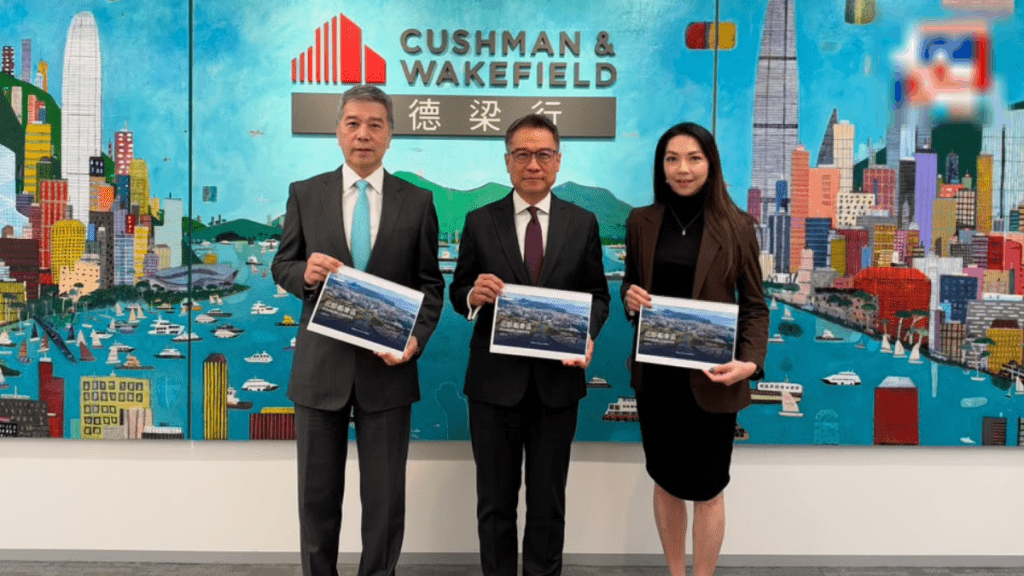
DTZ today released a report titled "Northern Metropolis – From Planning Blueprint to Investment Practice," highlighting that market discourse surrounding the Northern Metropolis has shifted from conceptual planning to concrete investment strategies. The report notes that diverse capital types, including industrial capital, developers, university institutions, and infrastructure or long-term financing entities, are now actively engaging in the development. The River Valley area has attracted over 100 science and technology enterprises and organizations to sign up for development, while Sha Ling Data Park has commenced construction. Developers are participating through site exchange programs, government land sales, or district-wide projects, with DTZ estimating that approximately 25,000 private residential units will be developed in the Northern Metropolis by 2031. Several universities have expressed interest in the University Town project, and the Asian Infrastructure Investment Bank has announced plans to establish an office in Hong Kong and explore participation in funding initiatives.
The Northern Metropolis is positioned as a unique value driver, leveraging Hong Kong's long-standing advantages and enhancing them through the metropolis platform. It offers opportunities as an international capital hub with robust financing capabilities, supporting enterprises from startup to IPO stages. The metropolis also benefits from world-class research and talent resources, fostering innovation industries. Additionally, the "super value-creator" role is crucial, enabling businesses to connect with domestic and global markets via the Greater Bay Area and supply chain. Policy and institutional innovations, such as dedicated Northern Metropolis policies and fast-track procedures, are designed to streamline operations and create a more efficient development environment.
DTZ highlighted that investors entering the Northern Metropolis must evaluate six key factors: development needs, financial planning, location strategy, entry timing, participation models, and partnership options. A comprehensive investment decision framework should assess infrastructure maturity, industry ecosystems, tender requirements, and fulfillment conditions. Chan Ka Fai, DTZ's head of valuation and advisory services for the Greater China region, noted that valuing Northern Metropolis projects differs from traditional residential or commercial developments. The introduction of the double-envelope system, district-wide development approaches, and industry-oriented land allocation involves considerations of industry integration, operational commitments, and phased development. Land prices alone cannot fully reflect the actual costs and investment value due to additional development responsibilities, such as land leveling, infrastructure, and public facilities. Development timelines, infrastructure maturity, and industry demand will significantly influence project valuations. Meanwhile, the University Town initiative is drawing attention beyond the science and technology sector, as it generates demand for educational facilities, student housing, healthcare, retail, and business services, as well as opportunities for academic-industry collaboration. Fu Hong Bridge's development timeline is particularly noteworthy, with university land bidding starting in 2027 and 2028, and Tung Chung Line Fu Hong Bridge Station expected to open in 2030. With phased delivery of the district from 2031 to 2033, the area is set to introduce Fu Hong Bridge Industrial Park and modern logistics hubs, indicating a solid foundation for forming an industry cluster and attracting population settlement. Investors are advised to make strategic moves before infrastructure and industry ecosystems fully mature.