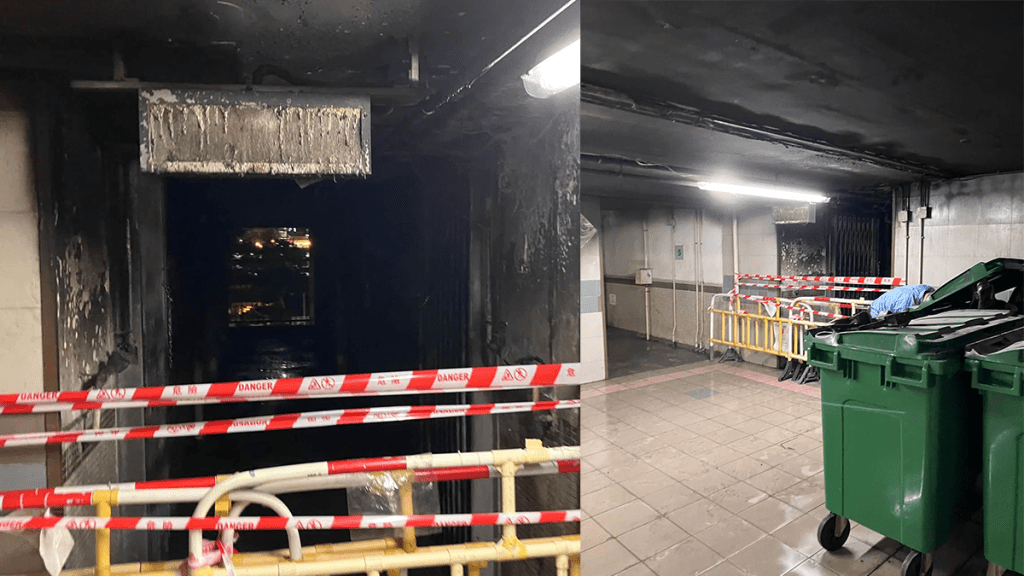
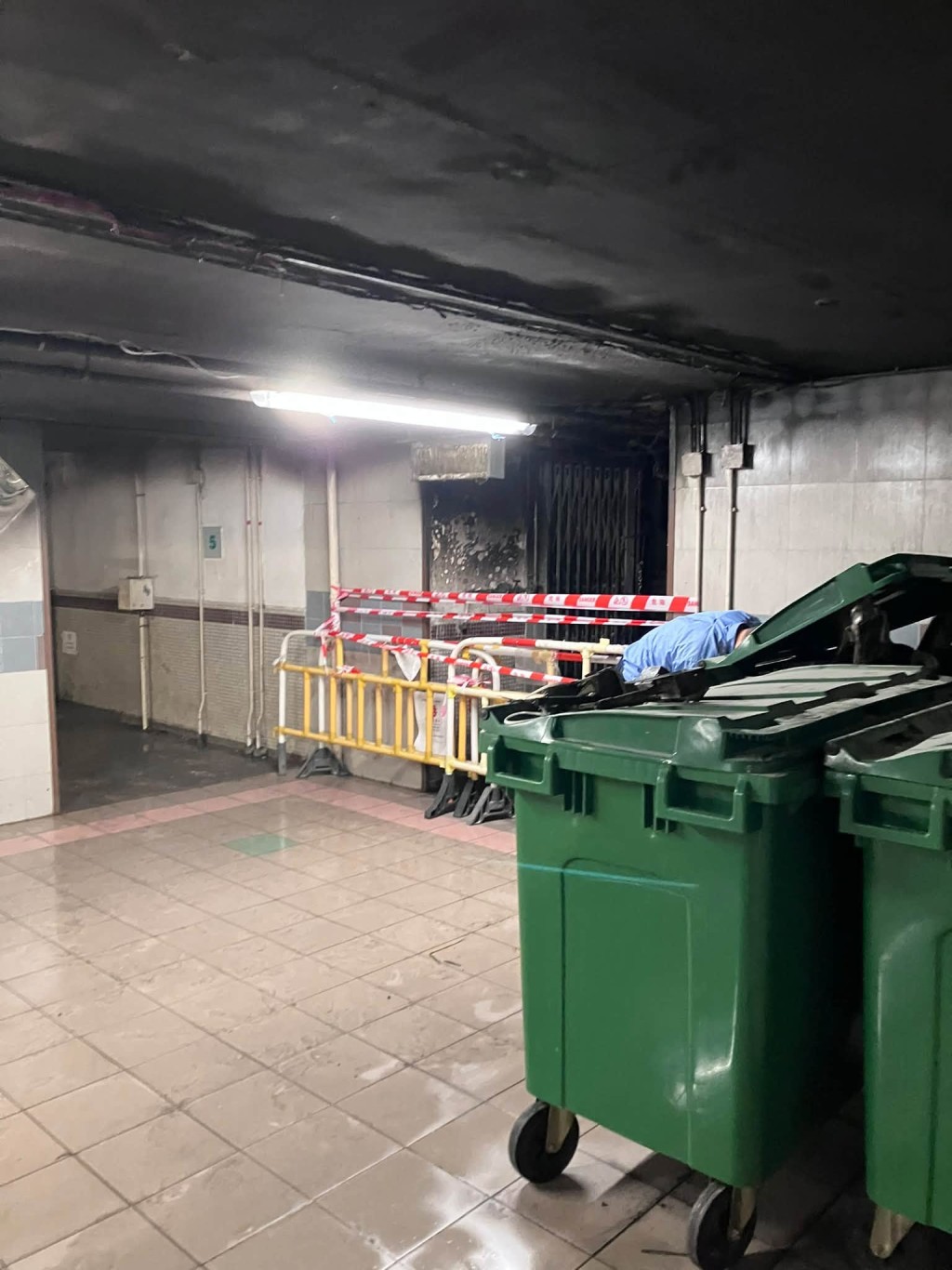
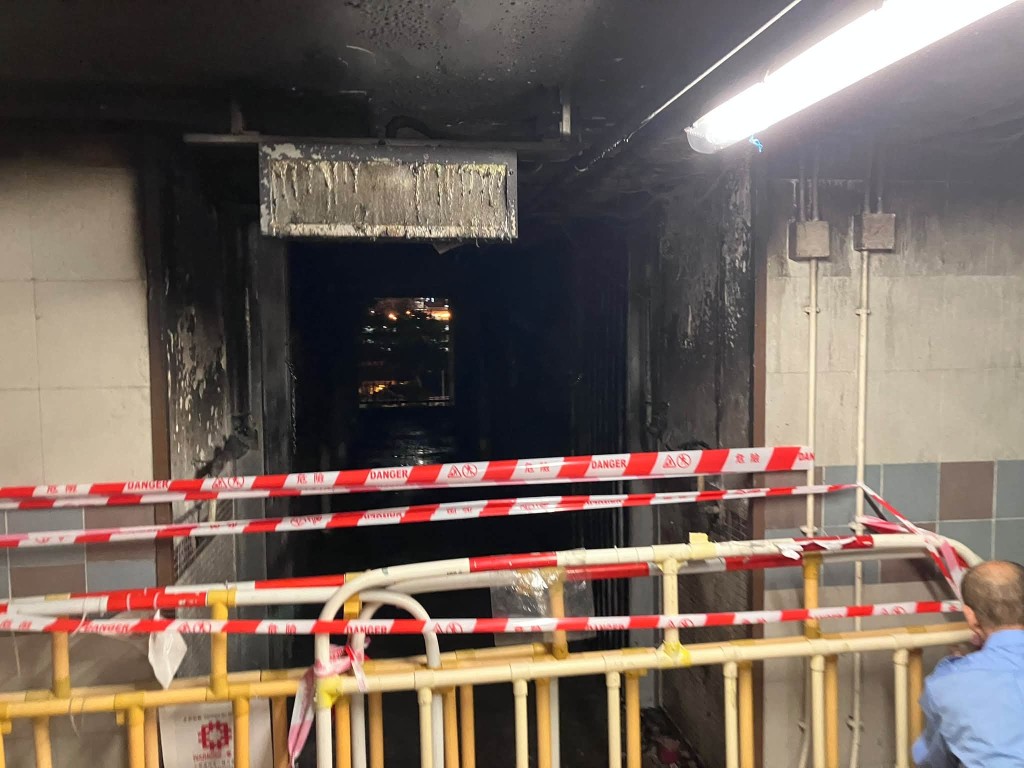
On the morning of December 15, a fatal fire broke out at Xixun in Huangda District, resulting in the death of a resident, an 80-year-old woman. Firefighters stated that the fire was caused by the accumulation of flammable items, reaching up to the ceiling, and would investigate whether the ignition was due to a cigarette butt or incense. As of 9 PM that evening, the scene had not been sealed off yet, with fire crews still present for investigation. A YouTube user shared photos of the fiery hallway where the fire originated, depicting a severely damaged ceiling and burned-out ceiling signs, with paint peeling off the walls. The building's corridors were cordoned off with multiple barriers, blocking access to not only the unit but also its neighboring ones, preventing residents from returning home. The damaged hallway was located on the 5th floor, with significant smoke damage visible in the main hall.
The investigation is ongoing, with authorities focusing on determining how the fire started from accumulations of combustibles and debris left by the deceased, who was reportedly living alone and had accumulated a large amount of such materials. The blaze highlighted concerns about the safety of public housing estates where residents may keep excessive clutter, increasing fire risks. This incident is reminiscent of previous tragedies in Hong Kong, reinforcing the need for thorough fire safety inspections and improvements in public housing complexes.
Local residents expressed shock and sadness over the incident, emphasizing the importance of fire precautions in their homes and public areas. They called for continuous safety measures and regular maintenance checks to prevent such tragedies. Meanwhile, authorities are urging residents to ensure they are well-informed and prepared for emergency situations, potentially enhancing measures such as fire drills and awareness campaigns in these apartment complexes. The scale of damage and the difficulty in sealing off the area indicate the severity of the emergency and the ongoing impact on the community.