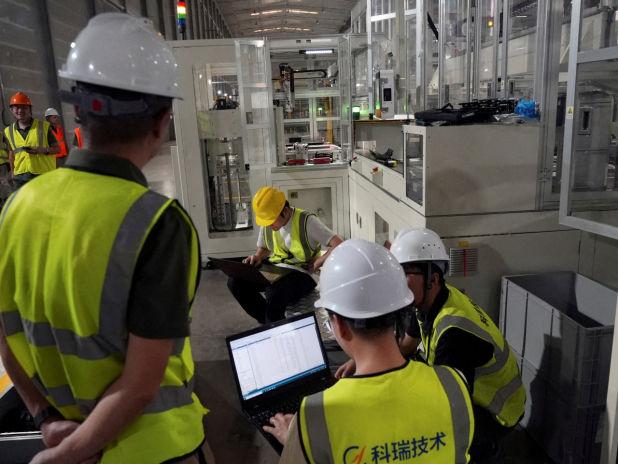
Value-added industrial output on the mainland increased by 5.3 percent in the first 10 months, according to official figures. High-end and intelligent manufacturing contributed to over 50 percent of this output, with October alone seeing a 4.8 percent growth from the previous year. Robust demand for AI-related products and cars helped pull the Chinese economy out of a second-quarter slowdown.
Third-quarter GDP growth stood at 4.5 percent, and analysts predict Beijing will maintain its target of 4.5 to five percent growth without significant additional stimulus. Goods exports soared in October due to the continued global AI infrastructure buildout, driving tech product sales upwards. Retail sales, including those of goods and services, increased by 2.5 percent from a year ago, whereas October sales grew by 0.4 percent month-on-month, slightly above economists' expectations of a 0.8 percent increase. Services retail sales grew by 4.9 percent in the first 10 months, improving from a 5 percent growth rate in the preceding quarter.
Fixed-asset investment declined at a more pronounced rate, dropping 8.1 percent in the first 10 months compared to the 7.2 percent drop recorded in the first nine months. The urban unemployment rate also improved, falling to 5.1 percent in October from 5.2 percent in September. New home prices continued their decline in October, albeit at the lowest annual rate in nearly a year, indicating a prolonged slump that has negatively impacted market confidence and consumer spending. Policy support measures are in place, including cheaper credit and housing buyer support, as Beijing aims to stabilize the capital markets. Analysts suggest policymakers will increase support for domestic demand if the tailwinds from the AI sector start to diminish.